

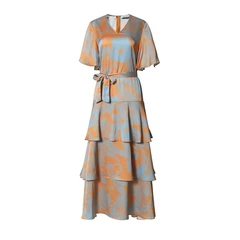


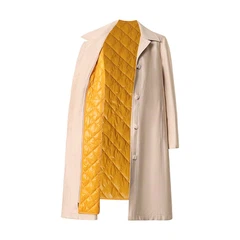
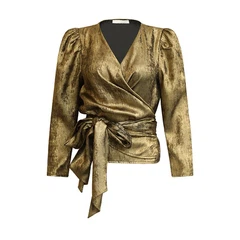

Polyester is quick-drying and wrinkle-resistant but sweaty, silk is luxurious but difficult to maintain, and pure cotton is skin-friendly but easy to wrinkle and shrink. Choose quick-drying + spandex elastic for sports, wear blended anti-wrinkle shirts in the workplace, wrap a wool coat with polyester lining in winter, and must-have cotton pajamas and Tencel bedding for home. Remember: the fabric ID card is hidden in the washing label on the corner of the clothes. Only by choosing the material according to the scene can you wear it smartly and comfortably.
When buying clothes, are you always confused by professional terms such as "pure cotton", "ice silk" and "modal"? Choosing the wrong material is not only uncomfortable to wear, but may also greatly reduce the life of the clothes! Today, I will take you to peel off the "ID card" of clothes, and help you understand the advantages and disadvantages of common fabrics, so that you will never be confused when shopping again!
1. Natural fabrics
1. Pure cotton
Advantages: breathable and sweat-absorbent, skin-friendly and soft, suitable for baby clothes and summer T-shirts.
Disadvantages: easy to wrinkle and shrink, may become hard after frequent washing
Application scenarios: underwear, pajamas, bed sheets.
2. Linen
Advantages: fast heat dissipation, antibacterial and mildew-proof, super cool to wear in summer.
Disadvantages: hard texture, needs to be washed many times to soften, easy to wrinkle.
Application scenarios: summer shirts, curtains, tablecloths.
3. Silk
Advantages: strong gloss, silky touch, suitable for formal occasions.
Disadvantages: easy to snag and fade, need careful care.
Application scenarios: cheongsam, silk scarf, high-end dress.
4. Wool
Advantages: strong warmth retention, good elasticity, suitable for cold areas.
Disadvantages: easy to pilling and shrink, washing needs to be gentle.
Application scenarios: sweaters, coats, blankets.
2. Chemical fiber
1. Polyester (polyester fiber)
Advantages: quick drying, wrinkle resistance, not easy to deform, the first choice for sportswear.
Disadvantages: poor air permeability, easy to static electricity.
Application scenarios: Jackets, sports pants, curtains.
2. Nylon
Advantages: good elasticity, strong wear resistance, suitable for high-intensity use.
Disadvantages: easy to pilling, poor heat resistance.
Application scenarios: mountaineering bags, swimsuits, down jacket fabrics.
3. Spandex
Advantages: super elasticity, allowing clothes to fit the body shape.
Disadvantages: easy to age when used alone, need to be blended with other fibers.
Application scenarios: swimsuits, yoga pants, jeans.
4. Lyocell (Tencel)
Advantages: soft and smooth, good breathability, combining the advantages of cotton and silk.
Disadvantages: high price, easy to be damaged by sharp objects.
Application scenarios: high-end bedding, summer dresses.
3. Blended fabrics
- Polyester-cotton blend (65% polyester + 35% cotton): It has both the sweat absorption of cotton and the wrinkle resistance of polyester, suitable for shirts.
- Cotton-spandex blend (95% cotton + 5% spandex): Enhanced elasticity, commonly used in underwear.
- Wool-acrylic blend (wool + acrylic): Reduced cost, no loss of warmth, suitable for sweaters.
IV. Accessories
Don't underestimate these "supporting roles", they directly affect the wearing experience:
- Zipper: Metal zippers are durable, resin zippers are lightweight.
- Buttons: Shell buttons are natural and beautiful, and plastic buttons are cost-effective.
- Lining: Determines the stiffness of clothes, and adhesive lining is convenient and fast.
- Lining: Silk lining is smooth, and polyester lining is wear-resistant.