

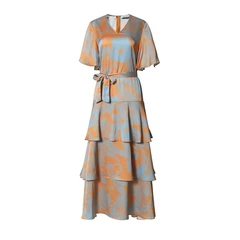


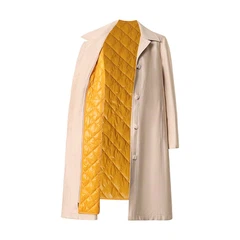
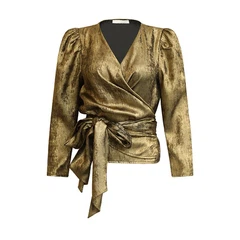

Business casual attire is a style of dress that is less formal than traditional business wear but still professional enough for most office environments. It's a common dress code in many workplaces, especially in industries that are not client-facing or in companies that have a more relaxed corporate culture. The specifics can vary depending on the company and industry, but here are some general guidelines for both men and women:
Men's Business Casual Attire:
Shirts: Polo shirts, button-down shirts (often in solid colors or subtle patterns), or dress shirts without a tie.
Pants: Khakis, dress trousers, or dark-wash jeans.
Footwear: Dress shoes, loafers, or dress boots. Avoid sneakers, flip-flops, or casual sandals.
Outerwear: A blazer or sports jacket can be added for a more polished look, but it's not always necessary.
Accessories: A belt that matches the shoes, a watch, and minimal jewelry.
Women's Business Casual Attire:
Tops: Blouses, button-down shirts, sweater sets, or conservative tops. Some companies may allow for casual tops like polos or knit tops.
Bottoms: Skirts, dresses, khakis, dress trousers, or dark-wash jeans. Skirts and dresses should be knee-length or longer.
Footwear: Heels, pumps, flats, loafers, or dress boots. Avoid very casual or overly revealing shoes.
Outerwear: Blazers, cardigans, or a professional-looking sweater can be worn over a top.
Accessories: Modest jewelry, a belt that matches the shoes or bag, and a professional-looking bag or briefcase.
In both cases, it's important to remember that business casual should still convey professionalism. This means avoiding overly casual items like t-shirts with graphics, athletic wear, and clothing that is too tight, revealing, or informal. It's also a good idea to pay attention to the specific culture of your workplace and dress in a manner that aligns with the norms and expectations there. If in doubt, it's better to err on the side of being slightly more dressed up than down.