




The history of women wearing pants is a fascinating journey that spans centuries and reflects significant changes in societal norms and gender roles. While women's pants have become a staple in modern wardrobes, their acceptance and popularity have evolved over time. In this article, we will explore the timeline of when women's pants became popular and the factors that contributed to their widespread adoption.
Early History
In some cultures, pants have been common garments worn by women for centuries or even millennia. However, in much of Western society, women typically wore long skirts, with the exception of some women who wore pants-like garments to perform work or engage in sports. The 19th century saw some women championing the use of pants, but it wasn't until the 20th century that pants began to gain wider acceptance.
Early 20th Century
The early 20th century marked a turning point for women's pants. The invention of the bicycle in the late 19th century played a significant role in promoting the use of pants. Women needed more practical and comfortable clothing options for cycling, leading to the development of bloomers-loose-fitting trousers designed by American women's rights advocate Amelia Bloomer. By the 1910s, it became legal and more socially acceptable for women to wear pants for activities such as horseback riding and cycling.
World Wars and the Rise of Workwear
Both World Wars had a profound impact on the popularity of women's pants. During World War I, women entered the workforce in large numbers to fill the gaps left by men who were serving in the military. To perform manual labor, women adopted pants and overalls, which were more practical and comfortable than traditional skirts. This shift in clothing choices helped to normalize the idea of women wearing pants.
World War II further solidified the place of pants in women's wardrobes. Many women took on roles traditionally held by men, including factory work and other physically demanding jobs. Pants became a symbol of women's liberation and their ability to contribute to the war effort. The iconic image of "Rosie the Riveter" wearing denim overalls became a powerful symbol of female empowerment.
Post-War Era and the Influence of Hollywood
After World War II, the popularity of women's pants continued to grow. Hollywood played a significant role in this transformation, with influential actresses like Marlene Dietrich, Katharine Hepburn, and Audrey Hepburn popularizing the look of women in trousers. These stars demonstrated that pants could be both fashionable and functional, helping to break down remaining social barriers.
1960s and 1970s: The Age of Liberation
The 1960s and 1970s were pivotal decades for women's liberation and the widespread acceptance of pants. The feminist movement advocated for gender equality, and one aspect of this was challenging traditional dress codes. Women began to wear pants more frequently in various settings, from casual outings to the workplace. Designers like Yves Saint Laurent introduced tailored pantsuits for women, further cementing the place of pants in mainstream fashion.
Modern Era
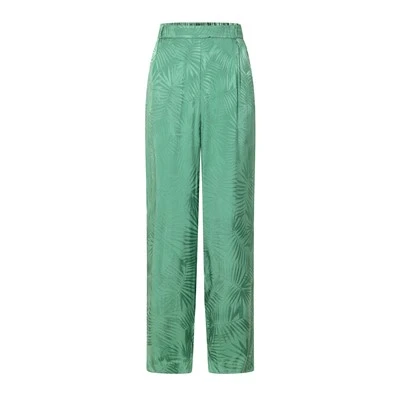
Today, women's pants are a ubiquitous part of everyday fashion. They come in a variety of styles, from jeans and leggings to dress pants and culottes, catering to different tastes and occasions. The evolution of women's pants reflects broader societal changes, including the breaking down of gender barriers and the increasing emphasis on individual expression and comfort.
Conclusion
The journey of women's pants from a niche garment to a wardrobe essential is a testament to the power of cultural shifts and the changing roles of women in society. From the early 20th century to the present day, women's pants have become a symbol of freedom, practicality, and style. As we continue to evolve, it is likely that the popularity of women's pants will only grow, reflecting our ongoing commitment to equality and self-expression.