

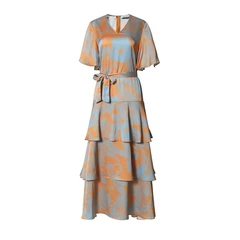


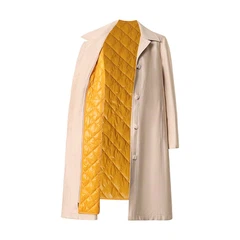
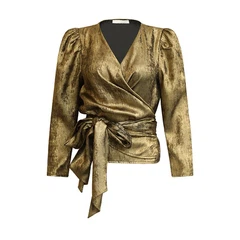
Linen fabrics have functions such as temperature regulation, anti allergy, anti-static, and antibacterial. Due to the good moisture absorption of linen, it can absorb water equivalent to 20 times its own weight, making it feel dry and comfortable. Nowadays, the emergence of wrinkle resistant and non ironing linen products and blended products have further expanded the market for linen products. Internationally, the weaving of linen is mostly done on projectile and rapier looms, with products including delicate and elegant linen handkerchiefs, shirt fabrics, crepe silk, fancy colored yarn products, sportswear, and linen wool blended products. Household products include curtains, wallpaper, tablecloths, bedding, etc. Industrial products include canvas, luggage tents, insulation cloth, filter cloth, and aviation products.
Linen can be interwoven or blended with fibers such as wool and polyester to form unique and cost-effective textile products.
Wool linen interwoven cool fabric: The use of linen fibers in wool textiles is a new way to achieve the lightness and coolness of wool fabrics. Due to the significant differences in fineness, elasticity, elongation, curling and other properties between wool and linen fibers, it is difficult to control the blending process during blending. For example, there are severe flying hair and winding rollers, frequent breakage, and low production efficiency, high consumption, and low spinning count. Wool and linen fibers are often interwoven to form a plain weave product with wool warp and linen weft. Due to the structure of double warp and single weft, the fabric surface is light, thin, smooth, and flat, and firm. The warp density used in this type of woolen linen product is often higher than the weft density formed by stiff linen yarn, and most of the fibers on the surface are wool fibers. Therefore, the focus of future finishing is on wool fibers. Wool linen interwoven cool fabric combines the advantages of wool and linen, and has a good market in the field of reuse.
Linen fiber non-woven fabric composite material: Linen fiber non-woven fabric/unsaturated polyester composite material can be made by vacuum assisted resin transfer molding (RTM) method. Due to the relatively low price of linen, its density is smaller than all inorganic fibers, and its elastic modulus and tensile strength are similar to inorganic fibers, it can partially replace glass fibers and other reinforcing materials in the composite material. Compared with glass fibers and carbon fibers, flax fiber is soft. By appropriate degumming treatment, selecting a reasonable combing process, and using needle punching processing method, it can produce quantitative and fluffiness compliant non-woven fabric reinforced fiber felt. At the same time, the fiber damage is small, and the thickening effect is good. As a reinforcing material, it has a short production process. The advantages of no need for weaving and low processing costs are conducive to energy conservation, And environmentally friendly.

What Are The Advantages Of Linen Fabric
May 15, 2024
Leave a message