

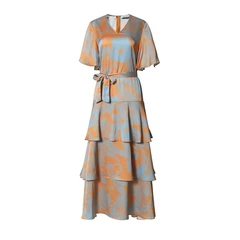


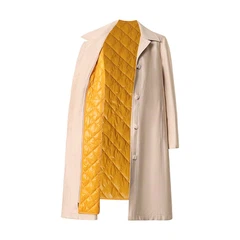
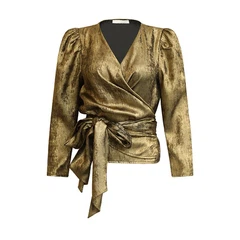

In the clothing supply chain, the design differences between women's suit jackets and men's suits or casual jackets are not only reflected in the tailoring and version, but also in the differences in market positioning, consumer preferences and wearing scenarios. As a supplier, a deep understanding of these differences will help to serve brand customers more accurately, formulate product strategies, and grasp a clearer business rhythm in the men's and women's clothing sectors.
First of all, in terms of tailoring structure, women's suit jackets pay more attention to the modification of body curves. The waist is usually tighter, highlighting the softness of the female figure, and the length of the clothes is more flexible and changeable - from short and neat to medium and long and elegant. Men's suits pay attention to the sense of stiffness and strength, the shoulder line is tougher, and the chest and back are wide and the vertical sense of the overall lines are emphasized, pursuing a formal and authoritative aura. Even men's casual jackets mostly retain the straight-cut style, emphasizing the balance between neatness and comfort.
Secondly, in terms of detail design, women's suits are more bold in incorporating fashion elements. For example, the fabric may choose a blended material with a strong sense of gloss, and the color may be expanded from classic black and gray to beige, mist blue, nude pink, wine red and other colors; the collar design is also common with lapel, collarless, pointed collar and even cloak-style changes, which are more visually attractive. Men's suits usually maintain a high standardization, focusing on low-key and stable styles such as solid colors, stripes, and plaids to ensure the versatility and universality of workplace matching.
In terms of functional positioning, women's suits are more malleable and have stronger scene extension. It is not only a basic style for women in the workplace, but also can be used in business casual, daily commuting, fashion matching and even dinner occasions; by matching skirts, high-waisted pants or dresses, a variety of styles can be created. Men's suits are more inclined to serious business occasions. Although casual suits are on the rise, their application scope is still relatively concentrated in most industry environments.
Finally, from the perspective of consumers' concerns, female customers pay more attention to the skin-friendly feel of the fabric, whether the style is slim, and whether it is easy to match and wear in multiple occasions; while male customers tend to pay attention to the stiffness of the fabric, the overall lines, whether the aura is present when wearing, and whether it is easy to take care of.
Women's suit jackets are significantly different from men's suits or casual jackets in terms of structural design, style expression, application scenarios and even consumer psychology. For suppliers, accurately grasping these differences can not only help brands make product layouts that are closer to the market, but also is a key step in achieving category breakthroughs in a diversified competitive landscape.